

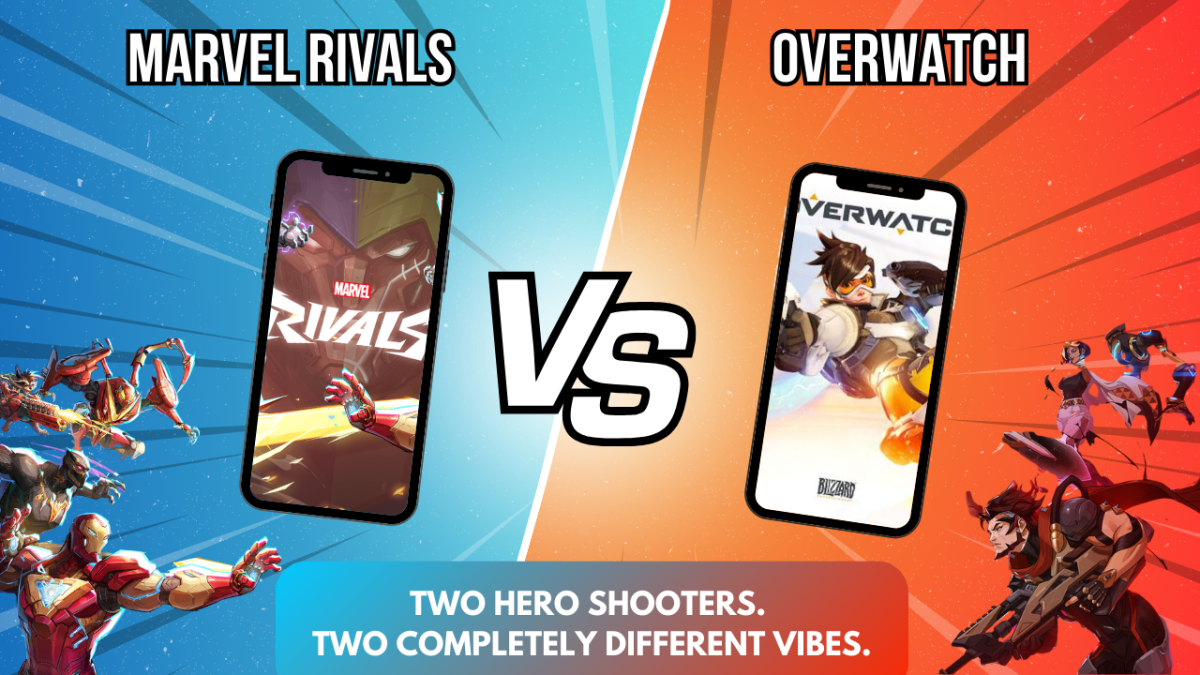
Marvel Rivals
Marvel Rivals is a team-based hero shooter built around iconic comic book characters and fast, ability-driven combat. It leans heavily into chaotic spectacle and environmental interaction that gives matches a different rhythm.
Marvel Rivals feels moment to moment. Destructible environments and vertical mobility create a sense that fights can break open at any time, while Overwatch tends to reward tighter positioning, cooldown tracking and structured engagements. Marvel Rivals is more of a sandbox, whereas Overwatch is a polished competitive arena where small mistakes are punished quickly.
Both games use tank, damage and support archetypes, but the expectations differ. In Marvel Rivals, tanks double as initiators who reshape the battle- field, and damage heroes often rely on synergistic combos tied to specific teammates. Supports are more aggressive, contributing directly to fights rather than staying purely reactive. In Overwatch, roles are more rigid: tanks create space, damage secures picks and supports balance healing with utility.
Marvel Rivals faces scrutiny over balancing concerns and the challenges of adapting beloved characters into fair competitive kits, along with broader conversations about how live-service updates will be handled by developer NetEase. Comparisons to established competitors also fuel debate about originality versus inspiration within the hero shooter genre. Players gravitate toward Marvel Rivals if they want a high-energy experience that rewards experimentation and offers the fantasy of playing as larger-than-life heroes. The appeal lies in its unpredict- ability and the joy of discovering new team combinations that can swing a match in dramatic fashion.
Overwatch
Overwatch is a long-running hero shooter known for its refined competitive structure, distinct character identities and emphasis on teamwork. Its history and design philosophy give it an established competitive ecosystem.
Abilities are designed to be readable, maps are built around deliberate choke- points and fights often hinge on ultimate economy and coordination. The pacing is measured, encouraging players to think ahead and execute set plays rather than relying on environmental destruction or spontaneous combos. Many high-ranking players even have “formulas” for playing certain maps or team compositions. Overwatch’s role system is tightly defined. Tanks anchor the team and control engagements, damage heroes focus on pressure and eliminations, and supports balance healing with fight-swinging utility such as speed boosts or defensive abilities. Compared to the freer interpretation seen in Marvel Rivals, Overwatch rewards discipline and role mastery, especially in ranked play.
Overwatch has seen its share of controversy, from debates over balance changes and competitive direction to community criticism of content pacing under developer Blizzard Entertainment. Players are all but begging Blizzard to either nerf or remove Kiriko’s suzu ability from the game, as on top of her damage output and developer attention, she is a step above meta for winning games—she is the winning piece in a game. No news has come of this yet, but players hope that with the rise in care for character skins and new releases, someone will address the longest-running debate in the game’s lifespan.
Many players stick with Overwatch because of its polished competitive environment and strategy built over years of updates. For those who enjoy structured teamwork and a clear skill ladder, it is a reliable choice even as new challengers emerge.