
With NIL (name, image and likeness) becoming increasingly prevalent in today’s college athletics scene, collegiate sports are quickly becoming pay-to-win.
Adopted in 2021, NIL is when college athletes have the ability to control and profit from their identity. NIL came about because of a court case that involved a group of Division I athletes who believed that the NCAA was violating the Sherman Antitrust Act. The Sherman Antitrust Act is a U.S. law from 1890 that prohibits anticompetitive business practices to promote fair competition. The court found that the students who transferred over from junior colleges to NCAA schools were at a disadvantage due to the NCAA monopolizing the players.
In the end, it was determined that if the NCAA was not paying college athletes, then they were breaking said Act. Therefore, the Northern District of California directed the NCAA to create rules around financial compensation.
Since NIL was adopted, the players, coaches and colleges have run with it. Players now receive millions of dollars to switch schools and play for their respective sports team.
One of the more popular cases of which this happened was when quarterback Bryce Underwood flipped his commitment from LSU to Michigan after being offered more money. LSU offered Underwood $1.5 million per year if he joined the team. In other words, he would receive $4.5 million for three years or $6 million for four years, depending on how long he stayed. Underwood committed to this offer for over 300 days until Michigan swooped in and presented $12 million over four years.
There are countless other situations like this one, showing that NIL has the potential to get way out of hand. Many people would say that the game has already seen the impact of NIL on a huge level.
The Oregon Ducks have been the top spender since NIL came about, primarily due to Nike founder Phil Knight donating more than $1 billion over the last two decades. Oregon finished the 2021 college football season ranked 22 in the country right as NIL was taking off. As the university spent more money on recruits and facilities, the rankings started improving. Since 2023, Oregon has not ranked lower than sixth in the country, and at the time of print, is currently ranked sixth. The Ducks also have been to the playoffs for two years in a row and are on pace to go back to the playoffs this year.
ULM is not as fortunate as Oregon or many other Power 5 schools when it comes to financial flexibility. Compared to LSU, with a $218.5 million athletics budget, ULM is the bottom of the barrel, with $22 million. This shows the unequal opportunity that college athletics has when it comes to recruiting. ULM does not have as many resources as the bigger schools, and when a player is deciding what school they want to attend, they probably are not going to pick the one that will make them less money. It is even hard for ULM to compete in the Sun Belt Conference with schools like James Madison and their $68 million budget.
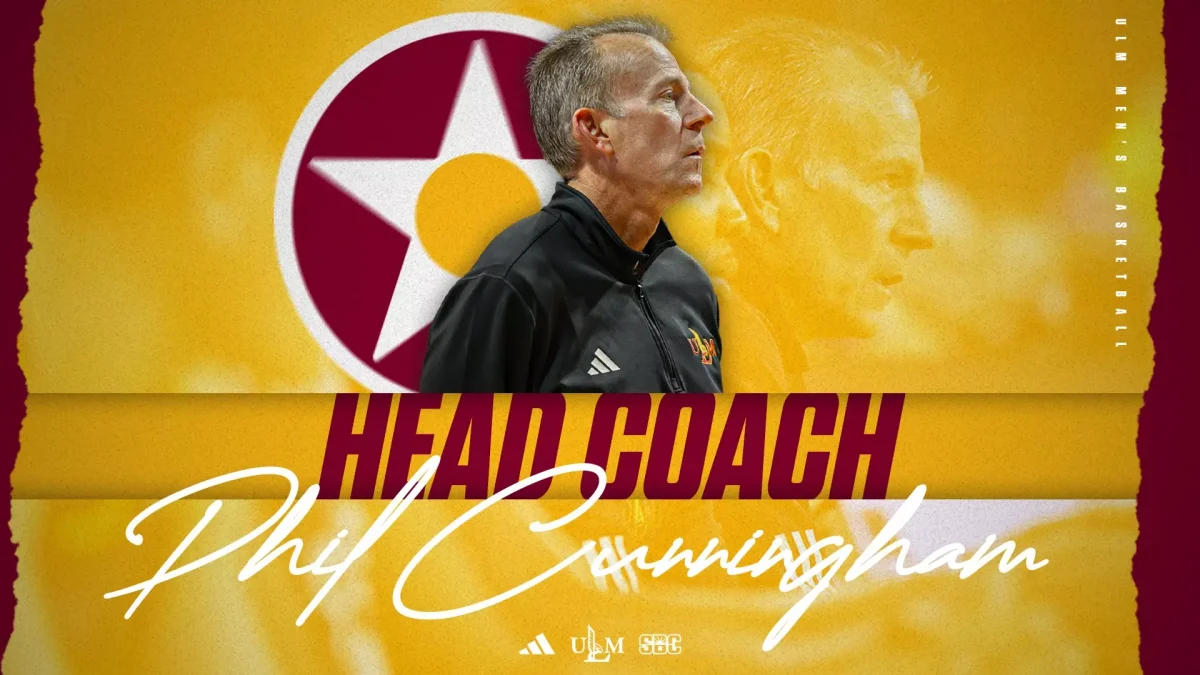
When the ULM men’s basketball coach, Phil Cunningham, was asked about how recruiting has been around NIL, he stated, “Last year in this league, you could win without winning the NIL battle. Moving forward, I do not know if you can. You have got to be in the game—it is going to impact winning and losing.”
In short, the more money that a university spends, the better chance they have at winning. There is not one sport that won’t be affected by NIL, and the results are already showing. If there are not any restrictions on NIL, college sports will become just like the professional sports that spend tons of money to get players while the smaller markets get pushed to the side.